Pet First Aid Kit Checklist: Supplies to Pack Fast
What should be in a pet first aid kit?
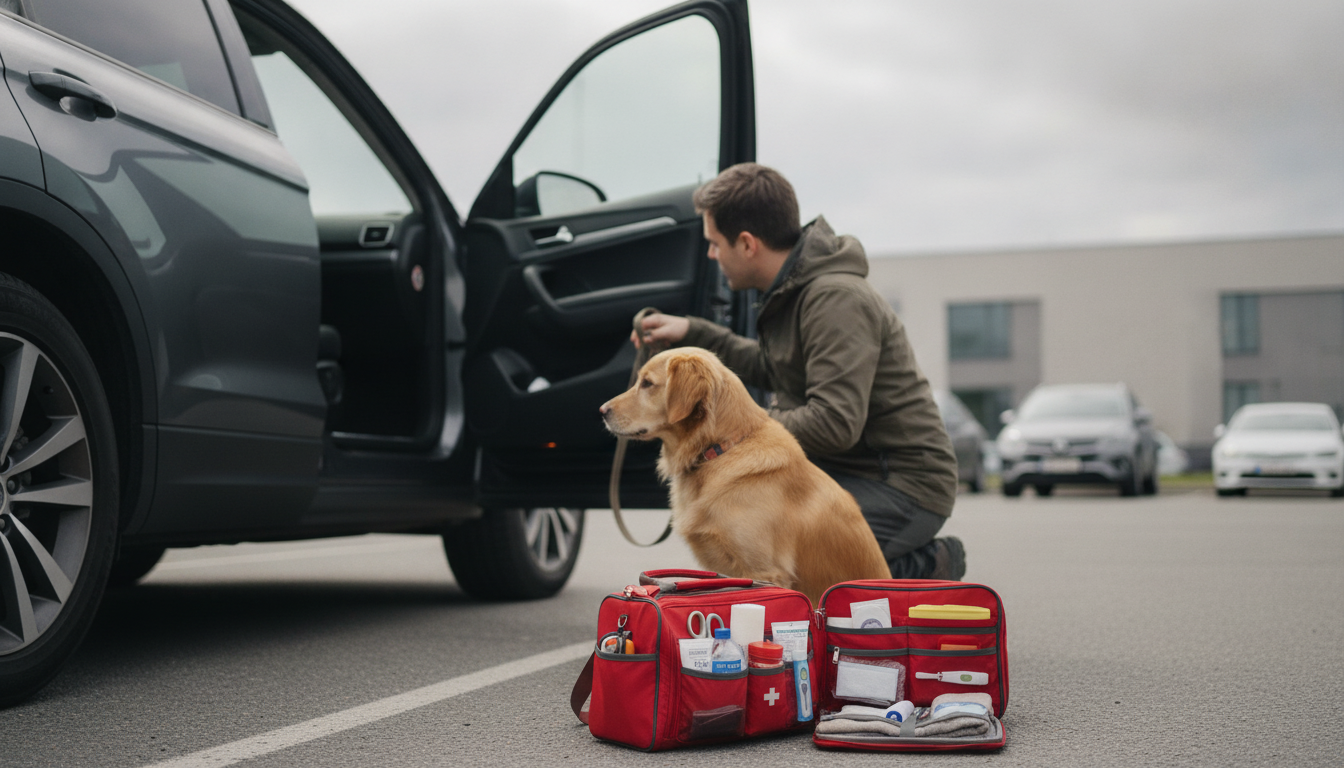
A solid pet first aid kit covers three priorities: controlling bleeding, protecting wounds, and keeping your pet stable until you reach a veterinarian. Store everything in a waterproof container, label it clearly, and keep it where you can grab it fast (car, mudroom, or near a leash). For a fuller checklist and packing tips, see this pet first aid kit guide.
Wound care and bandaging essentials
Start with supplies that help you clean and cover injuries: sterile gauze pads, non-stick wound pads, rolled gauze, and self-adhering bandage wrap (vet wrap). Add medical tape, blunt-tip scissors, and a small towel to apply pressure. Include antiseptic wipes or a pet-safe wound cleanser, plus saline for rinsing debris from cuts or eyes. A pair of disposable gloves helps keep the area clean and protects you.
Tools for common emergencies
Pack a digital thermometer (with lubricant) for checking temperature, tweezers for ticks or splinters, and a tick remover tool if available. A flashlight or headlamp helps you assess paws, ears, and mouths in low light. Include a soft muzzle or gauze roll (only if your pet can breathe normally) because even gentle pets may bite when in pain. Add an instant cold pack for swelling and a space blanket to help prevent shock in chilly conditions.
Medications and comfort items
Keep any vet-prescribed medications your pet may need, clearly labeled with dosing instructions. Add styptic powder (or a styptic pencil) for minor nail bleeding, and a small bottle of oral syringe-style saline for gentle flushing. Bring a few treats, a spare leash, and a clean cloth to help calm and handle your pet safely.
Must-have information
Include your veterinarian’s phone number, the nearest 24/7 emergency clinic, and a copy of vaccination records if you travel. A brief note card with your pet’s weight, allergies, and medical conditions can save time when minutes matter.
FAQ
How often should you replace items in a pet first aid kit?
Check your kit every 3–6 months and replace anything used, contaminated, or expired. Rotate meds and sterile items before their expiration dates, and refresh batteries in any flashlight or headlamp.











Leave a comment